

Most of us only think about energy when the lights go out or the bill goes up. But your home is quietly using electricity all day, every day—often in ways that surprise people. Spring is a great time to freshen up your home—and your energy habits. Here’s a quick look at where energy really goes in your home, and how a few small changes can make everyday comfort more efficient. Stop throwing money out the window with these insights.
Heating & Cooling
Heating and cooling can account for about half of a typical home’s energy use. The bigger the gap between outdoor temperatures and your indoor setting, the harder your system has to work—and the longer it runs. A programmable thermostat can help by adjusting temperatures based on your schedule, and many newer models can even learn your habits and adjust automatically. One of the easiest ways to help your system work smarter is to seal air leaks around doors and windows.
Pool Pumps & Outdoor Power
Pool pumps, outdoor lighting, irrigation systems, EV chargers, workshop tools, electric lawn equipment, and that trusty garage fridge can quietly but quickly add to your home’s energy use. Run pool pumps during cooler, off-peak hours and at lower speeds for longer run times. Put outdoor lighting on timers or motion sensors. And if your garage fridge is old enough to vote, it might be time to think about an upgrade.
Lighting
Smaller than it used to be, thanks to LEDs and more efficient options, but still part of the total picture. Simply flip off the lights in unused rooms or open the curtains to let in natural light.
Water Heating
Showers, laundry, and dishes all add up to be the second-largest energy expense in a home. Hot water is one of those everyday comforts we don’t always connect with energy use. Stagger showers, wash clothes in cold water, and only run a full load of dishes.
Laundry
Between hot water and drying heat, laundry can be a dirty little energy hog. Wash full loads in cold water, use high-spin cycles to shorten drying time, dryer balls to help circulate the air, and clean the lint trap every cycle. If you’re up to it, air-dry or line-dry when you can.
Kitchen Appliances
Refrigerators run 24/7, and ovens, microwaves, and dishwashers quietly draw power day after day. When it’s time to replace kitchen appliances, choose ENERGY STAR-certified models. Keep refrigerator coils clean and door seals tight to help units run efficiently. For quick jobs, using smaller appliances like a microwave or toaster oven can save both time and energy. Using the air-dry setting on the dishwasher is also a great way to save.
Electronics & Plugged-In Devices
TVs, game consoles, computers, Wi-Fi equipment, and chargers are sneaky energy drains. Many devices continue to draw power even when they’re “off” or in standby mode. Buy electronics from reputable retailers and use the correct parts and accessories. Take advantage of power-management settings on devices and computers—use sleep mode when not in use instead of screen savers. Plug electronics into a power strip so you can easily power down inactive devices
You don’t have to overhaul your home overnight. A few small steps can help:
- Seal air leaks
- Wash clothes in cold water
- Air-dry dishes
- Unplug rarely used electronics
- Use timers or turn off unnecessary lights
- Download the MyGVEC app
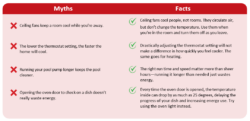
Don’t be Fooled by Energy Myths